
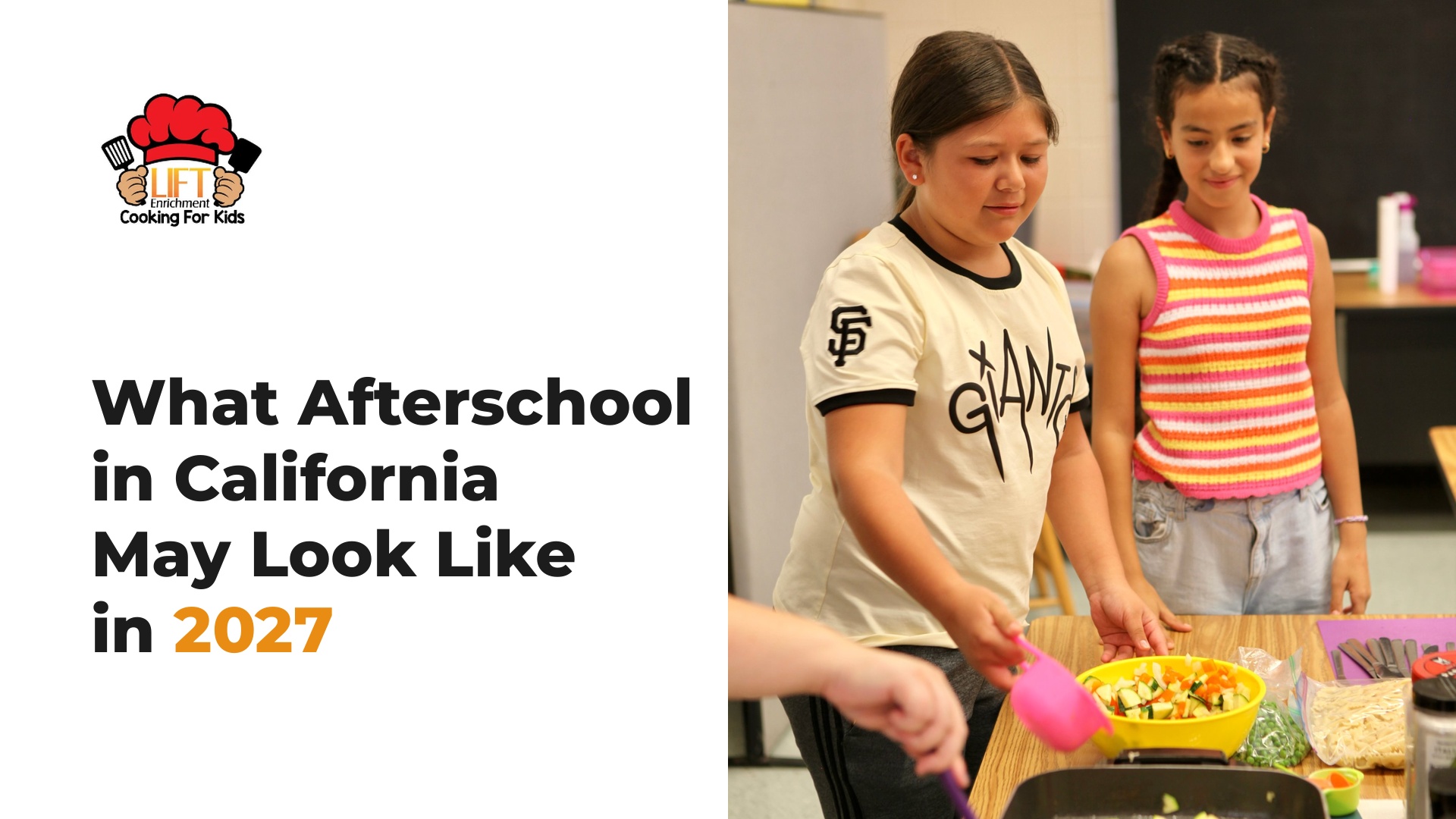
What Afterschool in California May Look Like in 2027
If you work in afterschool education in California, you probably have a lot on your plate. Between keeping up with state funding, managing attendance, and finding activities for students, there’s always something going on.
And it looks like 2027 will be another busy year.
The good news is that California is still putting billions of dollars into expanded learning. However, some grants have been cut, attendance reporting rules are changing, and many families are still looking for afterschool programs.
Here’s a quick look at what’s changing.
1. ELOP Funding Is Still Going Strong
California’s Expanded Learning Opportunities Program (ELOP) continues to support before-school, afterschool, and summer programs.
For the 2026–27 school year, the state set aside about $4.67 billion for ELOP. Districts serving fewer low-income students, English learners, and foster youth also got some good news with higher funding rates. Source
Here’s the breakdown:
- Rate 1: Districts where at least 55% of students fall into these groups receive $2,750 per student.
- Rate 2: Districts below 55% receive at least $1,800 per student. Source
One thing to keep in mind: These rates help calculate how much funding districts receive. They’re not payments for each child attending an afterschool program.
2. Attendance Reporting Is Getting Stricter
California is changing how schools report afterschool attendance.
Since the 2025–26 school year, districts must use CALPADS, the state’s student data system, to report enrollment and attendance for ELOP, ASES, and 21st Century Community Learning Centers.
In simple terms, the state wants to know who’s signing up, who’s showing up, and who’s enrolling but never attending.
Another change comes in 2026–27. Certain reporting errors that used to trigger a warning must now be fixed before districts can submit their final data. Source
This means accurate attendance records matter more than ever for afterschool programs.
3. Not Every Afterschool Grant Is Getting More Money
While ELOP funding is looking good, some other afterschool grants have taken a hit.
In August 2026, the California Department of Education reported about $27 million in funding cuts affecting ASES, 21st Century Community Learning Centers, and ASSETs programs.
There’s also a lot of competition for available grants. For the 2026–27 ASES grant cycle, applicants requested more than $92 million. The state planned to award $18.9 million. Source
That’s a big gap!
Schools that fund their afterschool programs with several grants may feel this change the most.
4. Families Still Need More Afterschool Options
Here’s what hasn’t changed: Many parents want afterschool programs for their kids, but finding one isn’t always easy.
The Afterschool Alliance’s 2025 America After 3 PM report found that nearly 30 million children nationwide have parents who want them enrolled in an afterschool program. Yet about 22.6 million of those kids still aren’t attending one. Source
Why? Cost, transportation, and a lack of available programs are some of the biggest reasons. Of course, schools also want kids to enjoy the programs they’re already attending.
Some activities fill up fast, while others are harder to get kids excited about. And kids often have their own ideas about what they’d like to try in 2027.
5. Kids Love Learning by Doing
One nice thing about afterschool is that kids get to do things they might not have time for during the regular school day. They can build robots, plant a garden, paint, or learn how to cook. They can do it without worrying about grades or tests.
For students at Title I schools, having these activities available at school is a big help. Not every family can afford extracurricular activities or has the time to drive kids to and from them.
Cooking is a good example of an activity that teaches kids several things at once. They measure ingredients, read recipes, and learn what happens to food when they cook it. They also pick up skills they can use at home.
At LIFT Enrichment, we do this every day.
Our Chef Teachers visit schools and lead healthy cooking workshops where kids chop, mix, and prepare the food themselves. We teach them about nutrition, different cultures, and how to make healthy food that tastes good.
One of our favorite things is seeing a kid who normally refuses to eat cauliflower take a bite because they made it themselves!
It’s a small thing, but those moments are a big part of why we love what we do. Hands-on activities like this give kids a chance to get their hands dirty, try something new, and learn a few useful skills along the way.
Want to bring healthy cooking workshops to your school? Click here to connect with us.
What to Watch in 2027
Next year’s budget isn’t final yet, but here are a few things worth keeping an eye on:
Funding updates. California’s budget and any changes to ELOP, ASES, and federal afterschool grants.
Attendance reporting. The CALPADS requirements and the stricter error checks starting in 2026–27.
What kids enjoy. Which activities students like most and what they’d like to try next.
New activities. Cooking, gardening, art, and STEM are all common choices for schools adding something different.
No one knows exactly what 2027 will bring, but funding, reporting, and activities kids enjoy will likely stay at the center of it.